Catch the commitment.
Find the action buried in meeting notes and compare it with the work already recorded. Prepare the missing task, with its source, instead of waiting for someone to remember it weeks later.

Less chasing. Fewer dropped details. Help your people do their best work while AI helps keep the moving parts together.
Book a free 20-minute call
Someone still needs to know what was promised, what's ready and where help is needed. Learn to make that information easier to find and act on, without making yourself the go-between for every detail.
Find the action buried in meeting notes and compare it with the work already recorded. Prepare the missing task, with its source, instead of waiting for someone to remember it weeks later.
Spot when one team's deliverable is holding up another. Gather the relevant update and prepare the handoff so the person who can help has the background they need.
Bring conflicting dates, unclear ownership and stalled dependencies to the surface. Spend less time assembling a status report and more time deciding how to keep delivery on track.
Imagine three projects moving across several departments. People are doing the work, but updates live in different places. This illustrative walkthrough shows the kind of coordination you could build toward, starting with a reviewable draft.
A proposed task linked to Tuesday's note, with Priya and Friday carried over from that source. It checks for an existing task before suggesting a new one.
Does the note reflect the agreement? Confirm the owner and date, then approve the task.
Both records side by side, plus the downstream work relying on that signature. It flags the conflict instead of treating the move as ready.
Ask the responsible person which record is current. Decide whether the next step should wait.
A draft handoff with the count and its source. It leaves the recipient unassigned and asks who owns venue coordination.
Name the owner and check the count. Approve the handoff when the information is right.
Start with review. First, practise with supplied records and manual approval. Live updates need appropriate tool connections, access and tested rules. A normal chat does not automatically monitor your tasks or notify colleagues.
The aim is a reliable path from agreement to delivery, with the important decisions reaching the right person.
Use a few permitted notes and a task list from a process you know well. Compare the findings with what actually happened. Did it catch a real gap? Did it mistake a suggestion for a promise?
Hello Aristotle
Help me reconcile commitments across the projects below. Prepare a review draft only.

Review date: [date]
Projects and their goals: [list]
Current task records with owners, dates and status: [paste or attach permitted records]
Dated meeting notes and recent updates: [paste or attach]
Known dependencies and handoff rules: [include what you have]

Compare the notes with the task records. Identify commitments missing from the tracker, conflicting updates, blocked dependencies and handoffs that lack an owner. Check for likely duplicate tasks before proposing additions.

For each finding, give: the project; the relevant source and date; what is confirmed; what is unclear; a proposed next step; and the person explicitly named as responsible, if any. Keep agreed deadlines separate from suggested dates. Do not invent owners, dates, completion or dependencies. Silence is not evidence that work has stopped. If sources disagree, show both and ask which is current.

Finish with up to three questions that would most help me resolve the important gaps. Do not send messages, assign work, edit records or make commitments. I will verify the evidence and approve any action.An anonymous example shared by Sydney: a marketing agency coordinating many writers used AI to help manage the work. With the coordination streamlined, the same team could take on more projects.
Keep track of incoming drafts and whether writers were submitting on time.
Help check drafts against the agency’s guidelines.
Support the admin involved in making sure writers were paid.
You do not need to redesign every process before starting. Choose one useful piece of coordination, get it working, then extend it.
Bring the documents, tasks and updates you already rely on. Organize who's responsible, what needs to happen and which steps depend on others. Let AI interview you about the gaps instead of writing a huge manual from scratch.
Work through familiar cases together, including an overdue input or contradictory status. Define what counts as ready, who resolves an exception and what a good handoff contains. Keep changes under review while you test.
Once the draft is dependable, decide which low-risk steps could run through approved connections. That might mean preparing a daily exception list or notifying the next owner under an agreed rule. Practise checking the results and pausing the routine when something changes.
Still turning an idea into a first plan? Start with AI training for project managers.
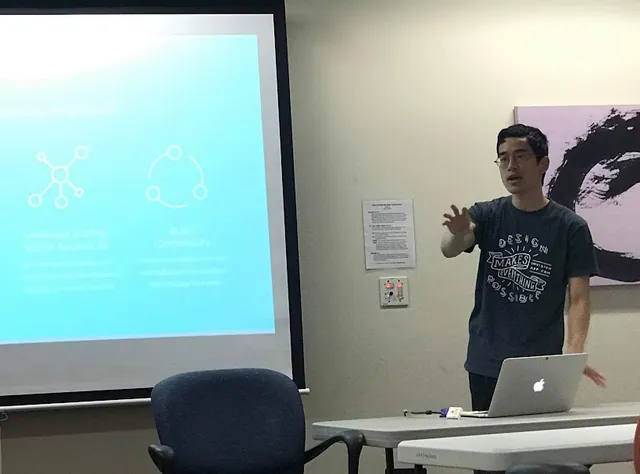
Hello Aristotle founder Sydney Liu has built companies and managed teams with many projects running at once. He knows how much work sits between a good decision and getting something shipped.
His approach starts with what your people already know and do. Work through a familiar process together, make the information useful to AI, and learn how to check the result before giving it more responsibility.
Meet Sydney Liu →Regina describes her own learning experience. Her background includes COO and Chief of Staff roles.
“I’m non-technical, and I felt intimidated trying to organize my knowledge for AI. Within 48 hours of working with Hello Aristotle, my workflows and how I engage with AI were completely transformed. I couldn’t have done it without them.”
The free AI Workspace Starter can help you collect the process notes, responsibilities and examples you keep explaining. Start with one area of the business, using information you are allowed to share.
Give your AI a useful starting point. Set up a private workspace with personal and company context, then let a guided interview help you fill in what matters.
No big cleanup required! Start with a process you understand and whatever notes or records exist. We can use AI to organize the material and ask about missing pieces. You check the result, especially where an old document no longer matches how the work happens.
That is the starting point. We look at where your team already records work and what can be used from there. An export or a few permitted records may be enough for the first exercise. Automatic reading or updating depends on the connections and access your setup supports; we check those before designing around them.
Not at the beginning. First it prepares changes for you to inspect. After testing, you can choose specific actions to automate with clear boundaries and a way to pause them. Unclear ownership, conflicting instructions and consequential decisions still go to a person. The aim is helpful coordination, not a machine sending everyone more noise.
Then the system needs to respect that. Decide what each person and tool may access before connecting records. Share the context needed for a handoff, not every document behind it. We can practise with anonymized or invented material while you establish the right access arrangements.
We work through your process with you: the exceptions, existing habits and details that make a generic tutorial hard to apply. You practise organizing context, writing reusable instructions and checking the output. Those foundations can support the next process too, rather than leaving you with a single copied automation you cannot adapt.
Yes. Once a useful base is in place, you can build around other responsibilities. An incoming request might need an owner; an event might need a supplier handoff; a customer record might need a checked update. Each extension gets its own rules and testing. We choose a manageable first use case instead of promising to connect the entire business in one session.
Start by telling us which part of operations is eating your time. The introductory call is free and lasts 20 minutes. The first paid team session is at least an hour. Individual training is available too. Team size, format, preparation and further work are flexible. We agree the scope and a tailored price before you book the paid work.
The starting materials will differ. The useful habit is the same: make the working context available, establish the rules and build from something you can verify.
The person keeping everything together Bring the recurring work you currently hold in your head. Organize incoming requests, prepare the next handoff or catch a missed step without becoming an expert in another complicated tracker.
The COO or cross-department lead Bring one process that crosses team boundaries. Make ownership, dependencies and escalation clear, then give each team the context it needs without exposing information it should not see.
Want colleagues across the business learning together? Explore corporate AI training.
Tell us where work gets stuck or disappears. We'll explore a useful first step for your operation, with ideas you can take away from the conversation.
Book a free 20-minute call