Arrive at the conversation prepared.
Pull together the client's stated preferences, recent questions and agreed next steps. See what changed since you last spoke, with the original notes close at hand.

Give more clients your personal attention. Let AI prepare the details that make it possible.
Book a free 20-minute call
A buyer's priorities can change between a form, a phone call and a viewing. Learning to carry those details forward gives a small team more room to look after each relationship.
Pull together the client's stated preferences, recent questions and agreed next steps. See what changed since you last spoke, with the original notes close at hand.
Prepare record updates from calls and emails instead of rewriting everything yourself. Review the proposed changes before they replace what is already there.
Draft a message around the question that client actually asked, the information still needed or the next step you agreed. Personal attention starts with remembering the right details.
In this invented example, an inquiry says the buyer wants to move in June. A later call says September, with a home office now essential. Their CRM still shows the original request.
Flag the timeline difference. Propose September as the current preference, citing Thursday's call; retain the history of the earlier request.
Confirm that the call note reflects the buyer's actual plans before accepting the CRM change.
Add the new requirement to the proposed brief. Separate this stated preference from any guesses about the buyer's circumstances.
Decide what further questions would make the requirement useful when reviewing properties.
Keep the previous budget labeled as unconfirmed. Draft a short question alongside the updated timeline and space requirements.
Check the tone and accuracy, then choose whether and when to send the message.
Give it a head start. Start with permitted excerpts. Connecting a CRM or mailbox is a later option that depends on your tools, access and brokerage rules.
The reusable part is the record structure and review method. The client's circumstances should drive every new answer.
Give the same prompt a seller's confirmed viewing availability and a colleague's tentative suggestion. Does it preserve the confirmed instruction and ask about the suggestion, or quietly treat both as agreed?
Hello Aristotle
Prepare a client brief and proposed CRM update for my review.

Current record: [paste permitted fields; remove unnecessary personal information]
New notes: [paste authorized excerpts, each labeled with its source and date]
Fields our team tracks: [list fields]
Our follow-up style and process: [describe]

Return:
1. What has changed: previous detail, new detail, supporting source/date and confidence. If notes conflict, show the conflict. A newer note is not automatically an authorized change.
2. Proposed field updates only. Preserve history and distinguish confirmed facts, stated preferences and unknowns.
3. Questions I need to resolve, without guessing the answers.
4. A concise follow-up draft based only on the supplied material, plus the next action for my approval.

Do not infer protected characteristics, assess housing eligibility, invent property facts or make commitments. Do not send anything or edit the CRM. Keep unrelated sensitive information out of the output.We start with a task you would happily take off your plate. No need to redesign the whole business before making something useful.
It might be an inquiry becoming a client record, a call becoming a follow-up, or a listing update reaching the right people. Pick one repeatable job with an outcome you can judge.
Organize the notes, fields, tone and procedures that shape a good result. Missing instructions become questions to answer, not details for AI to make up.
Work through a real or anonymized task, compare the output with your expectations and save the useful corrections. Then try another client to see whether it holds up.
A reliable client brief can support follow-ups, preparation and reminders. Give narrow automations more responsibility only after repeated checks, with clear limits and someone accountable.
Want to go deeper on prospecting or preparation across a sales team? Explore AI training for sales teams.
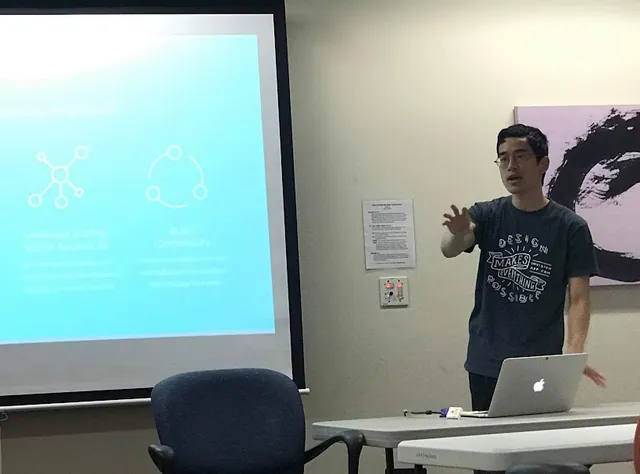
Sydney Liu has helped salespeople find lead lists, automate CRM updates and develop systems around their existing sales cycles. That experience informs how we approach the work behind each client relationship.
Bring the way your business actually operates. We can work through the information, instructions and checks together, so you understand how to adapt the result when your process changes.
Meet Sydney Liu →Sabrina Wang on learning to build workflows with Hello Aristotle.
“I already used AI a lot, but I wanted it to do more than help me brainstorm. Seeing how Hello Aristotle sets up real workflows, like planning things and writing follow-up emails, gave me a lot of ideas for automating my own work and life.”
Start with a free guide. Give AI the context behind your work, then build a routine you can use again.
Turn selected notes, documents and emails into a useful work profile. Let AI find the gaps, ask you better questions and save the context for next time.
Bring its name and an example of the job you want to improve. We can begin with approved exports or a few fields, then assess whether a connection makes sense. Direct updates depend on the CRM's capabilities, your permissions and the checks we put in place.
Yes! Pick one client situation and bring the notes you are permitted to use, even if they are untidy. We can organize the confirmed details, separate older information and identify the questions still worth asking. That small record gives you a pattern to reuse for the next client.
We can work with tools such as ChatGPT or Claude, alongside the systems you already use. The choice follows the job and your brokerage's permitted setup. Coding skills are not required, and there is no new software shopping list to complete before we talk.
It can organize a person's stated needs, identify unanswered questions and prepare information for your review. You retain decisions about service, property suitability and advice. We would not use this workflow to infer protected traits or automate housing eligibility decisions.
A recurring task, a few notes you are allowed to share and an idea of what good looks like. Anonymized examples are fine. Follow your brokerage's rules for client information and approved AI tools; we can start without connecting any live accounts.
A solo agent improving call preparation may need something different from colleagues sharing client records. Tell us who would join and which handoff needs attention. We agree the fee, length, delivery arrangements, participant count and any continued support for that scope before paid training is booked. There is no charge for the introductory 20-minute call.
This is practical AI training around your work, not a real estate designation, accredited qualification, employer certificate or continuing-education credit. Aristotle Certificates recognize proficiency milestones tied to real tasks. The focus is something you can use and understand, with instruction grounded in operating a business.
The training follows your responsibilities. You leave with a practical starting point and the understanding to keep improving it.
Working independently? Focus on an administrative job that competes with calls, viewings or relationship building. A reusable client brief or review routine can help you pick up where you left off.
Sharing clients across a team? Agree which information belongs in the record and what a useful handoff looks like. Colleagues can review the same context without relying on one person's memory.
Handling a different property workflow? Broker owners and property managers can bring their own repeated task. We will discuss the fit, required access and intended output before agreeing the training scope.
Think of the follow-up you postponed or the client details you had to find twice. Bring that situation to your free 20-minute call. We can discuss how to make that part of your day easier and what the training would involve.
Book a free 20-minute call